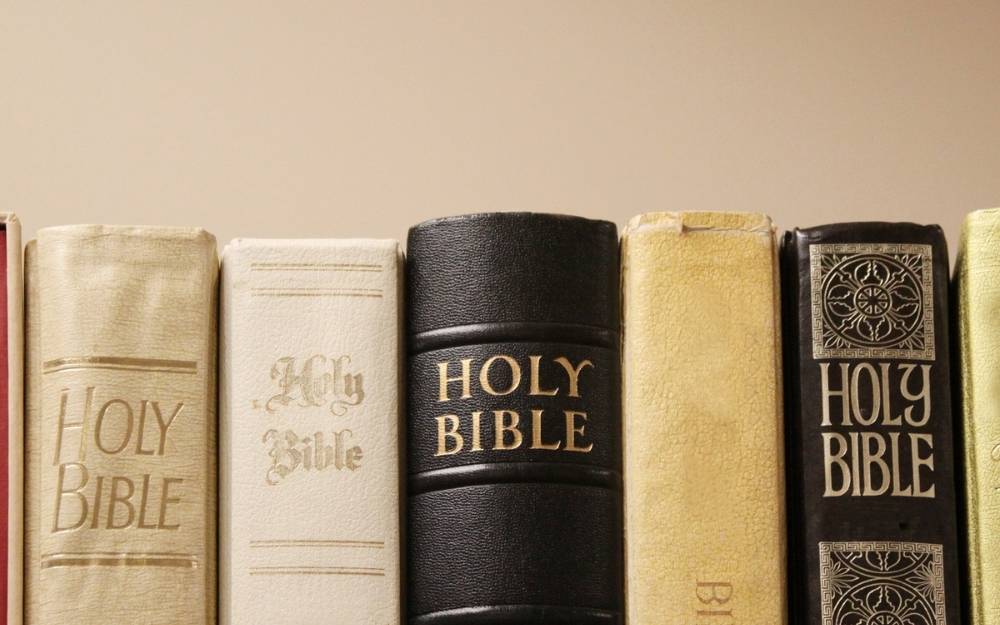
There is something undeniably profound about holding a book that has survived several centuries. When it comes to the most printed book in human history, the experience becomes even more significant. For many collectors and historians, searching for rare bibles for sale is not merely a hobby or an investment strategy; it is a way of connecting with the very foundations of Western literature, printing technology, and religious heritage. These volumes represent the intersection of faith, artistry, and the evolution of the written word.
Unlike modern mass-produced paperbacks, an antique Bible carries the weight of its own unique story. You might find a 17th-century volume with handwritten notes in the margins, detailing family births and deaths, or perhaps a beautifully bound Victorian edition that served as a centrepiece in a family home for generations. This tangible link to the past is what keeps the market for rare theological works so vibrant and meaningful. It is about preserving a piece of history that might otherwise be lost to the ravages of time and neglect.
What defines a truly rare Bible
Many people assume that any old book found in an attic must be worth a fortune, but the reality of the rare book market is far more nuanced. When experts evaluate rare bibles for sale, they look for a specific set of criteria that elevate a volume from being simply ‘old’ to being ‘rare’ and ‘valuable’. Age is certainly a factor, but it is rarely the only one. A Bible from the 1800s might be common, while a specific pamphlet from the 1600s could be priceless.
The following factors typically determine the rarity and desirability of a particular edition:
- Historical Significance: First editions of major translations, such as the King James Version (1611) or the Geneva Bible (1560), are always in high demand.
- Printing Errors: Paradoxically, mistakes can make a Bible much more valuable. The famous ‘Wicked Bible’ of 1631, which accidentally omitted the word ‘not’ from the commandment against adultery, is a prime example.
- Provenance: If a book was previously owned by a notable historical figure or comes from a famous library, its value increases significantly.
- Condition and Completeness: Collectors prefer copies that have their original bindings, all their maps, and no missing leaves, though some wear is expected in books that are several centuries old.
- Illustrations and Typography: Bibles featuring intricate woodcuts, copperplate engravings, or exceptional examples of early typography are highly sought after by art historians and bibliophiles alike.
Navigating the world of specialist booksellers
Entering the world of rare book collecting can feel a bit daunting at first. It is a field that requires a fair amount of specialised knowledge to avoid common pitfalls. For those who are just beginning their journey, the best approach is to start by researching reputable dealers who specialise in theological works. When you are looking for authentic rare bibles for sale, it is essential to work with a seller who understands the nuances of paper quality, binding styles, and the historical context of different printings.
A good dealer does more than just sell you a book; they act as a guide. They can help you understand why a particular 16th-century Geneva Bible is priced differently than a similar-looking King James edition from the same era. They can also provide certificates of authenticity or detailed descriptions that help protect your investment. In the UK, we have a long and proud tradition of antiquarian bookselling, and many of the world’s most significant theological treasures pass through the hands of British specialists who have spent decades honing their craft.
Why provenance matters so much
Provenance is essentially the ‘family tree’ of a book. It is the documented history of who has owned the volume since it left the printing press. For a collector, provenance provides peace of mind that the item is genuine. It also adds a layer of human interest to the object. Seeing a bookplate from a 17th-century bishop or a signature from a Victorian scholar transforms the Bible from a religious text into a historical artefact. When browsing rare bibles for sale, always ask about the history of the specific copy, as this often justifies the price and adds to the long-term value of the piece.
Famous editions that collectors look for
The history of Bible printing is filled with fascinating stories and landmark achievements. Some collectors choose to focus their efforts on a specific era, such as the incunabula period (books printed before 1501), while others might look for bibles associated with the Protestant Reformation. There are several key editions that consistently capture the imagination of those in the market for rare volumes.
- The Geneva Bible: Often called the ‘Breeches Bible’ because of its unique translation of Genesis 3:7, this was the Bible of choice for the Puritans and was likely the version brought to America on the Mayflower.
- The King James Version (KJV): The 1611 first edition is the ‘holy grail’ for many collectors. Even later 17th-century printings of the KJV are highly prized for their beautiful black-letter type and historical importance.
- The Bishop’s Bible: Produced in the late 16th century, these are often large, impressive folio volumes that were intended for use in churches rather than private homes.
- Polyglot Bibles: These ambitious scholarly projects printed the text in multiple languages (such as Greek, Latin, Hebrew, and Chaldee) side-by-side. They are masterpieces of complex typography.
How to start your own collection responsibly
If you are feeling inspired to start your own collection, the most important piece of advice is to buy what you love. While rare books can certainly appreciate in value, they should primarily be enjoyed for their beauty and history. Start by deciding on a focus. Perhaps you are interested in bibles with hand-coloured maps, or maybe you want to collect different translations of the New Testament from the 18th century. Having a specific focus helps you become an expert in that niche and makes the search for rare bibles for sale much more manageable.
It is also vital to set a budget. The price of rare bibles can range from a few hundred pounds to tens of thousands. By narrowing your focus, you can find high-quality examples within your price range. Remember that a well-preserved, more common edition is often a better purchase than a heavily damaged ‘rarity’ that has been poorly repaired. Look for ‘honourable’ wear—the kind of aging that shows a book was used and loved, rather than abused or stored in a damp cellar.
The importance of proper preservation
Once you have acquired a piece of history, you become its temporary custodian. Proper storage is essential to ensure that the volume survives for another few hundred years. Rare bibles should be kept in a stable environment where temperature and humidity levels do not fluctuate wildly. Direct sunlight is the enemy of old paper and leather, as it can cause fading and brittleness. Many collectors choose to have custom-made slipcases or ‘clamshell’ boxes created for their most valuable items to protect them from dust and light.
Handling your books with care is equally important. While the old myth about wearing white cotton gloves has largely been debunked by modern conservators (clean, dry hands are actually better for turning pages), you should still be gentle. Support the spine when the book is open, and never force a binding that feels tight. By treating these volumes with the respect they deserve, you ensure that the search for rare bibles for sale continues to be a rewarding pursuit for future generations of bibliophiles and historians alike.